Backend + API development services
REST + GraphQL APIs, solid database architecture and backend systems engineered for reliability, performance and long-term growth.
Integrations and Platforms






What we do
APIs, databases and backend architecture, engineered for scale
Little Tiger is a backend engineering agency that builds the systems behind the interface: REST and GraphQL APIs, relational and document databases, authentication layers and cloud infrastructure built for growth. We design backends that handle real-world load, integrate cleanly with frontends and third-party services and remain maintainable as your product evolves.
Our backend development services span the full depth: API design, query tuning, caching strategies, message queues, containerised deployments and CI/CD pipelines. Every system is built to your exact requirements, as we did for Kindling's e-commerce platform and the Manyways graph execution engine.
Why invest in backend engineering
Your frontend is only as good as your API
Slow endpoints, inconsistent responses and brittle integrations create cascading failures across the entire user experience. A well-designed API is the foundation everything else depends on.
Scale isn't something you bolt on later
Rearchitecting a backend under production load is expensive and risky. Systems designed for scale from day one handle growth gracefully, without emergency rewrites.
Data integrity is non-negotiable
Lost records, race conditions and inconsistent states erode trust. Proper database design, transaction handling and validation ensure your data stays correct under all conditions.
Security vulnerabilities compound silently
Injection attacks, broken authentication and exposed endpoints don't announce themselves. Security must be built into the architecture, not patched in after an incident.
Integration complexity grows exponentially
Every new service, webhook and third-party API adds interaction surface. A clean backend architecture with clear boundaries keeps complexity manageable as the system grows.
Performance is measured in milliseconds
Users don't see your backend, but they feel it. Response times, throughput and reliability directly impact conversion, retention and the perceived quality of your product.
<50ms
Average API response times across client projects
99.9%
Uptime across production systems
10x
Throughput improvements on tuned systems
0
Data incidents across all client deployments
REST + GraphQL API Development
Clean, documented APIs that frontends love to consume
We design and build REST and GraphQL APIs with consistent patterns, clear error handling and detailed documentation. Every endpoint is versioned, validated and tested so frontend teams, mobile apps and third-party consumers can integrate with confidence.
Whether you need a straightforward CRUD API or a complex GraphQL schema with real-time subscriptions, we build APIs that are predictable, performant and a pleasure to work with.
Database Design + Tuning
Data models that scale with your business
We design relational and document database schemas tuned for your access patterns. Proper indexing, normalisation decisions, migration strategies and query tuning ensure your database remains fast and maintainable as data volumes grow.
PostgreSQL, MongoDB, Redis for caching and purpose-built data stores where they make sense. Every schema decision is documented and every migration is reversible.
Architecture Built for Growth
Systems designed for growth, not just launch day
We architect backend systems with clear service boundaries, message queues for async processing, caching layers for read-heavy workloads and containerised deployments for consistent environments across development and production.
Monolith or microservices, we choose the right architecture for your scale and team size. No premature complexity. Just the right level of engineering for where you are and where you're going.
Authentication + Security
Security built into every layer
We implement authentication and authorisation systems using industry-standard protocols: OAuth 2.0, JWT, session management, role-based access control and API key management. Every system is built with the OWASP Top 10 as a baseline.
Input validation, parameterised queries, rate limiting, CORS policies and secrets management are standard on every project. Security is a property of well-built software.
Performance is an architectural decision
We don't wait for bottlenecks to appear. Performance is designed in from the start. Query tuning, connection pooling, response caching, payload minimisation and load testing are standard practice on every backend we build.
The result: APIs that respond in milliseconds, databases that handle concurrent load gracefully and systems that remain fast as traffic scales.
Selected work
Backend engineering projects
Kindling E-commerce
E-commerce / POS Integration
2026
Kindling E-commerce
E-commerce / POS Integration
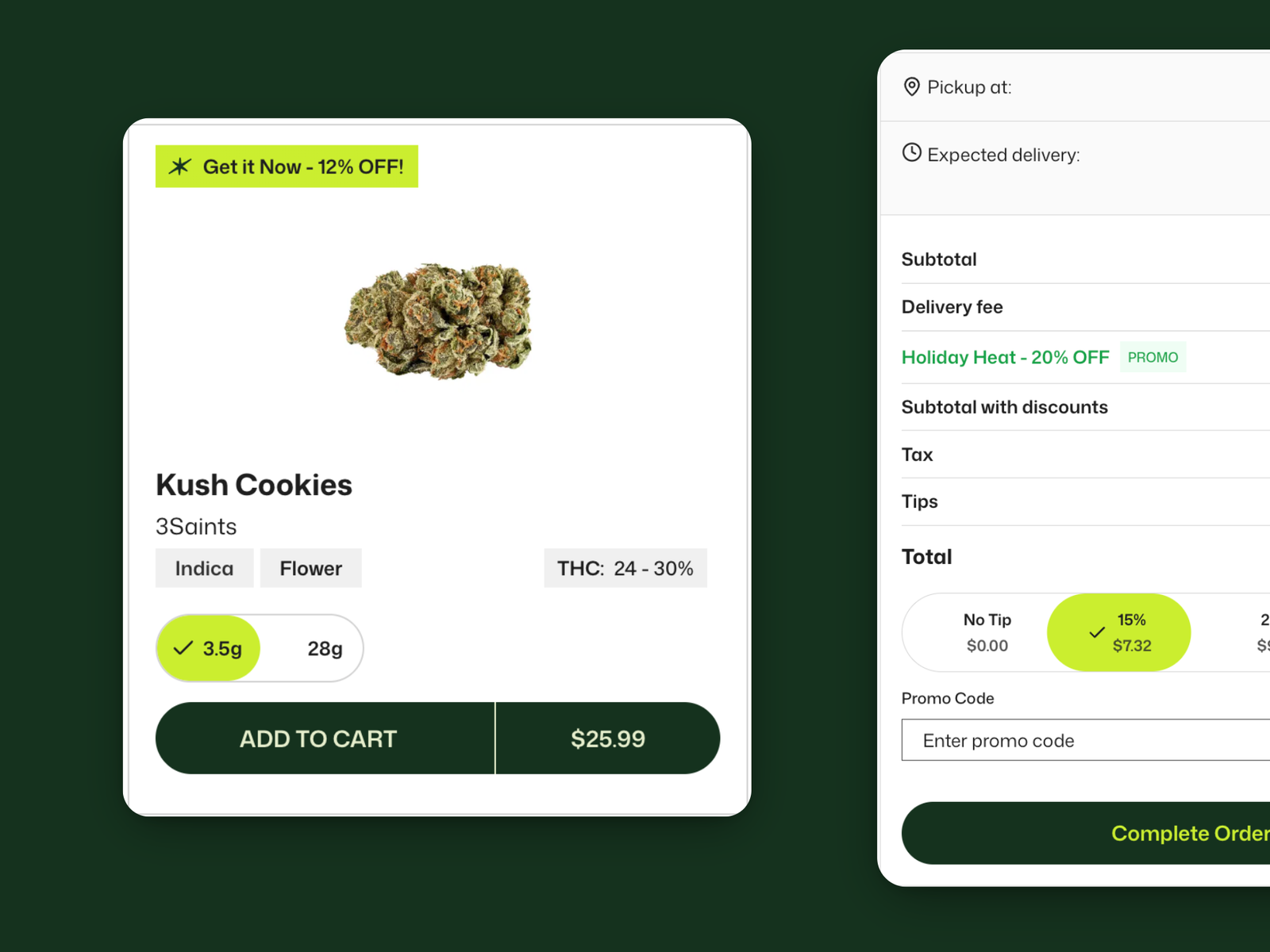
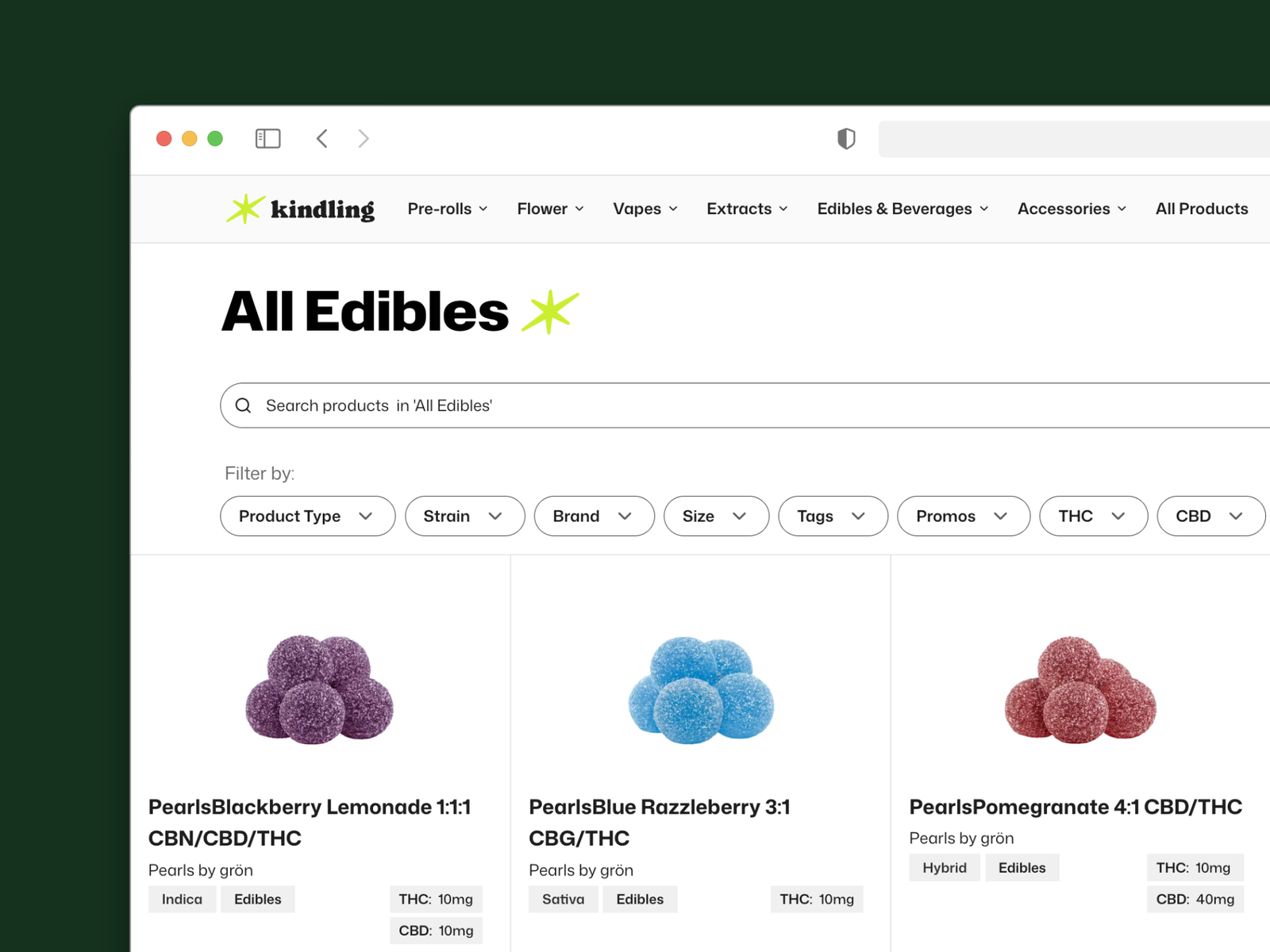
Custom e-commerce backend tightly integrated with Cova POS. Real-time inventory sync, order management and payment processing.

Manyways
Product Development / Graph Execution
2025
Manyways
Product Development / Graph Execution
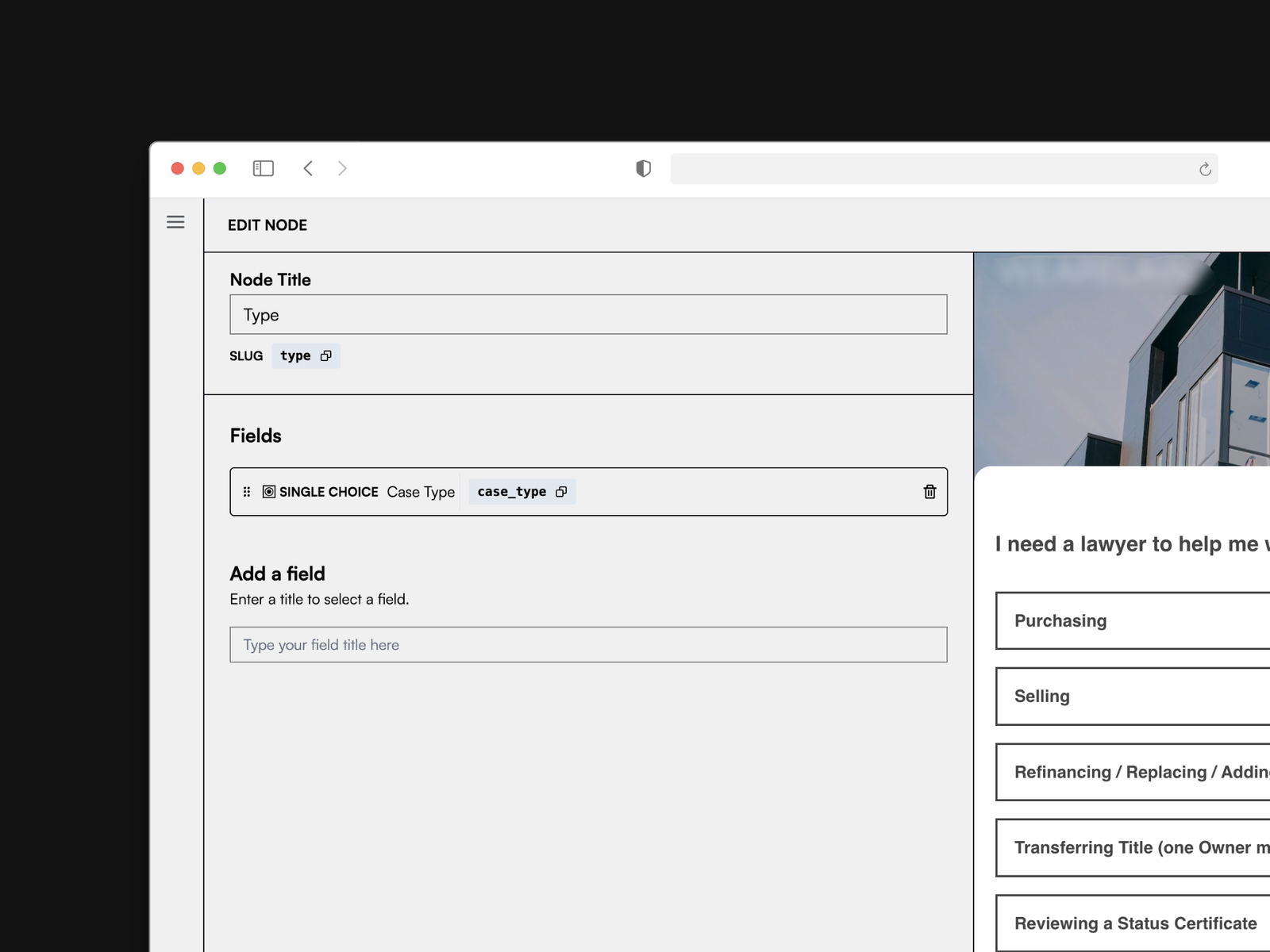
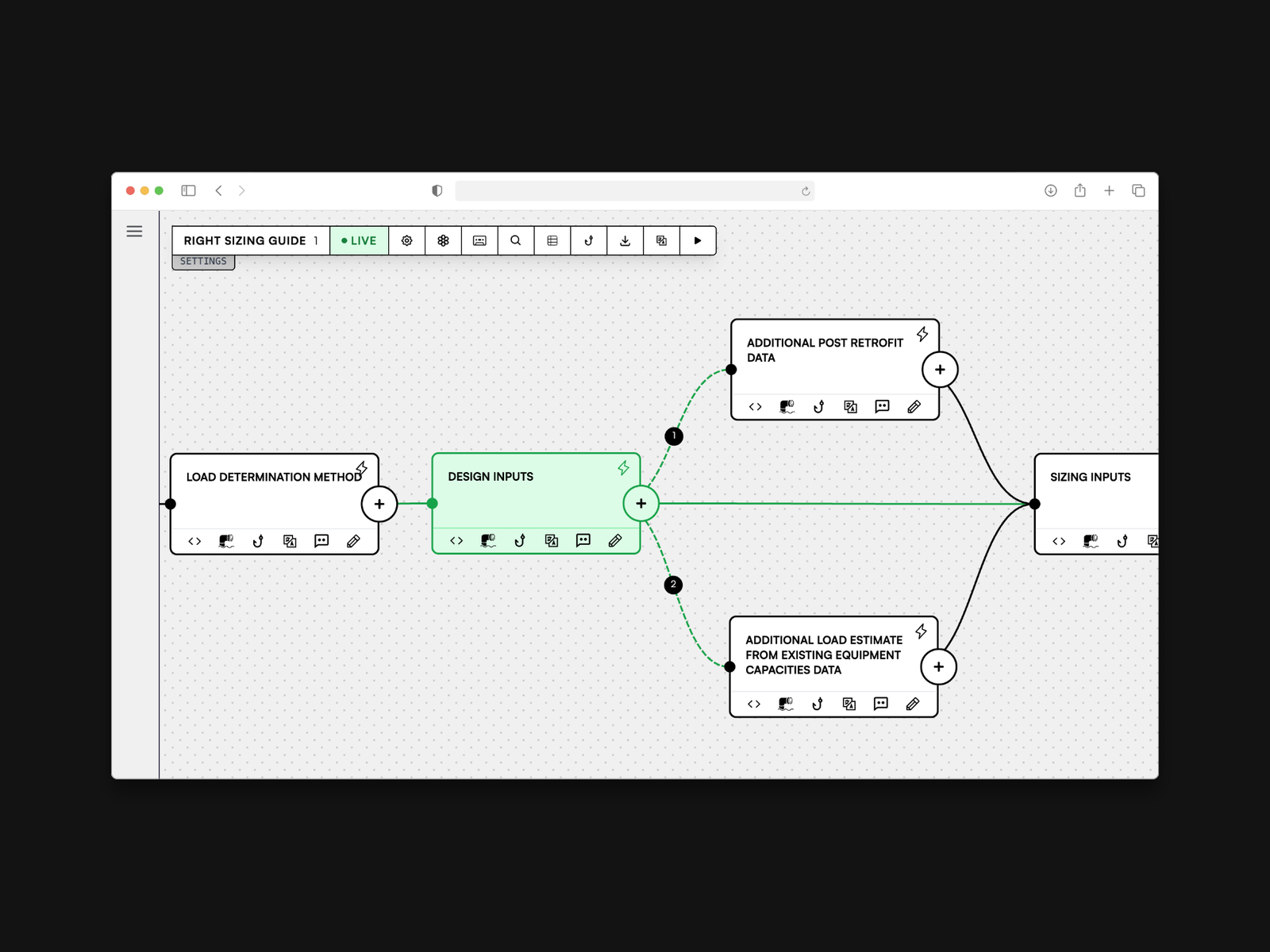
A graph execution engine built from the ground up. Real-time pipeline orchestration, state management and monitoring dashboards.
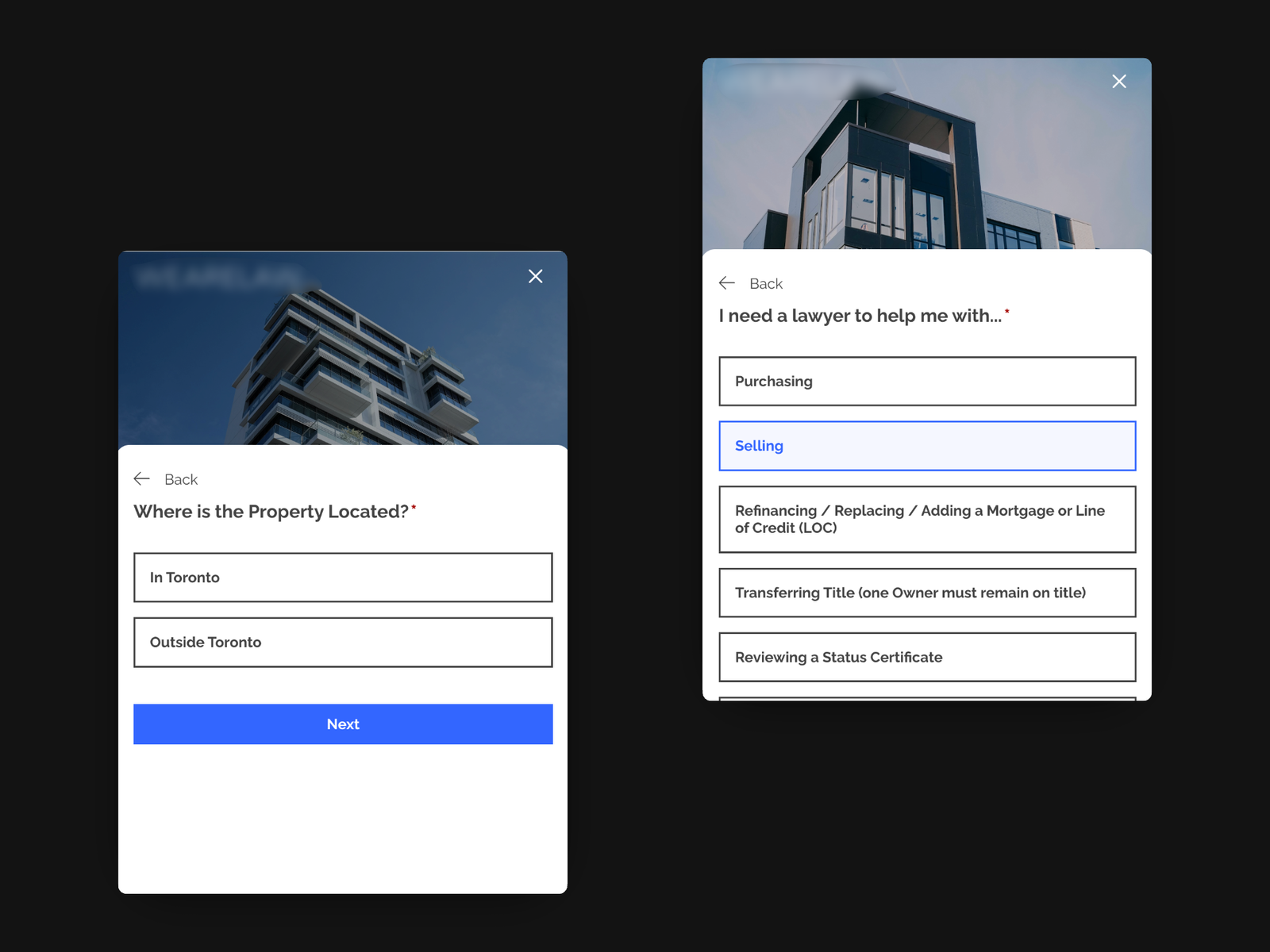
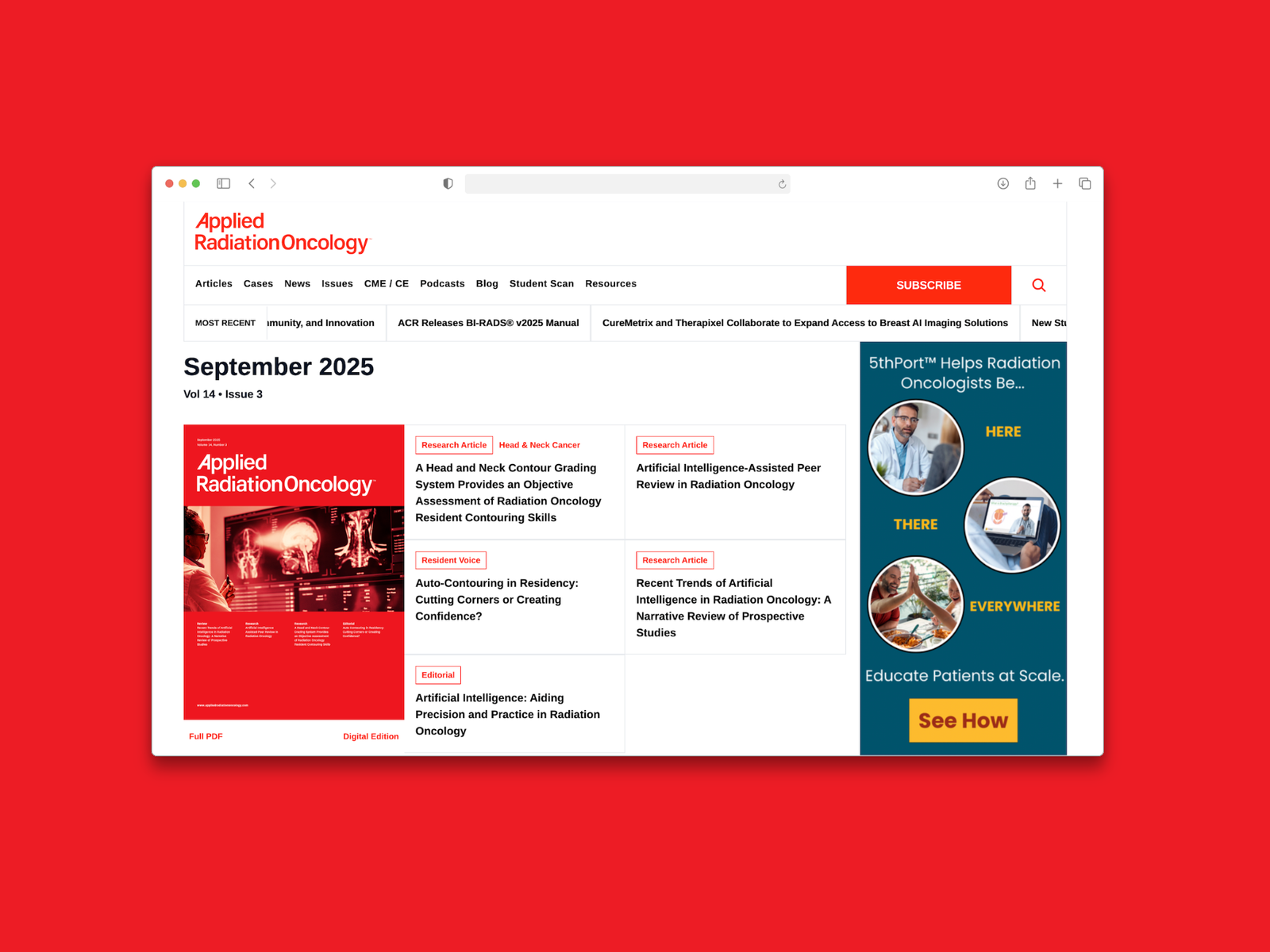
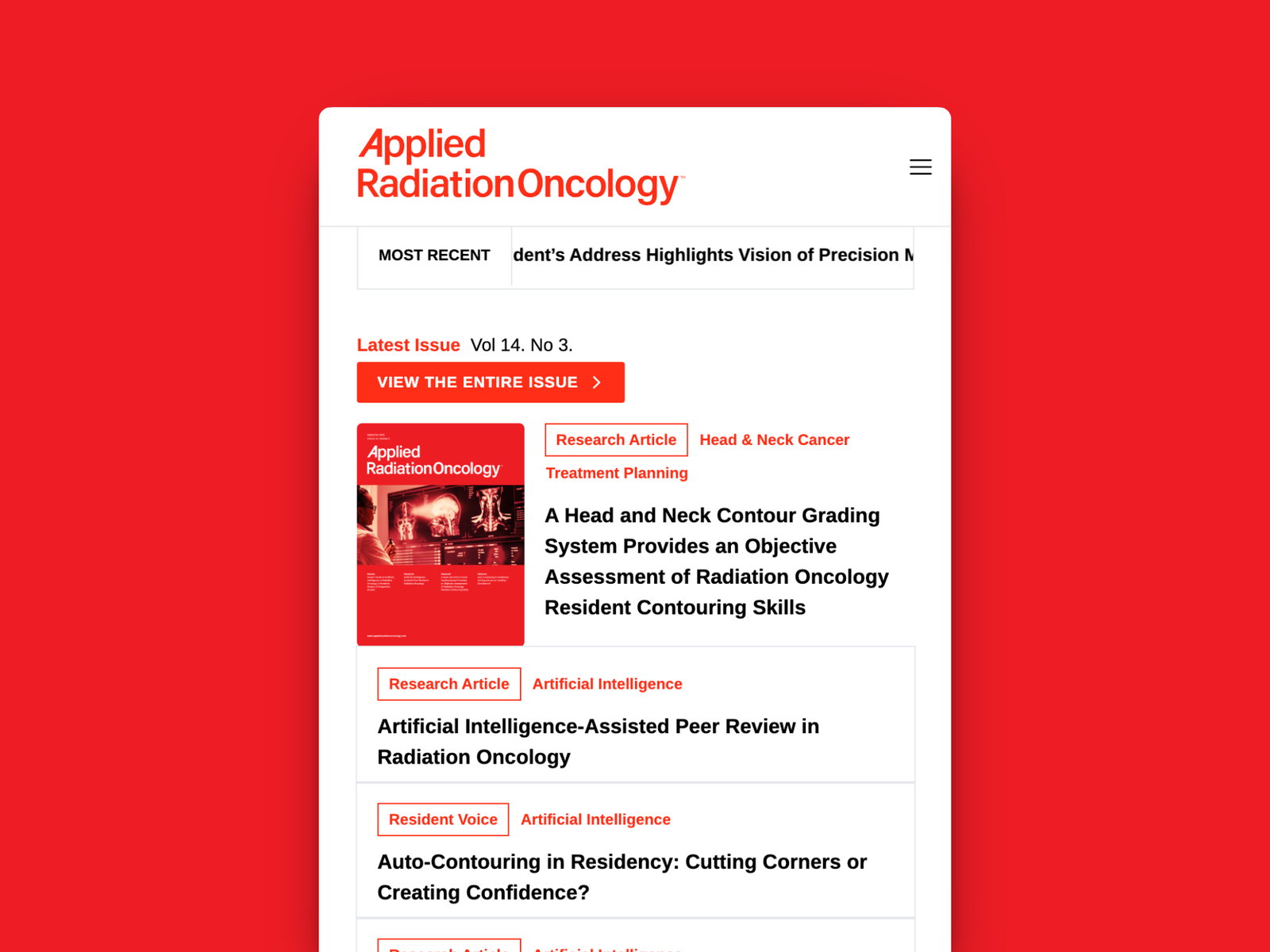
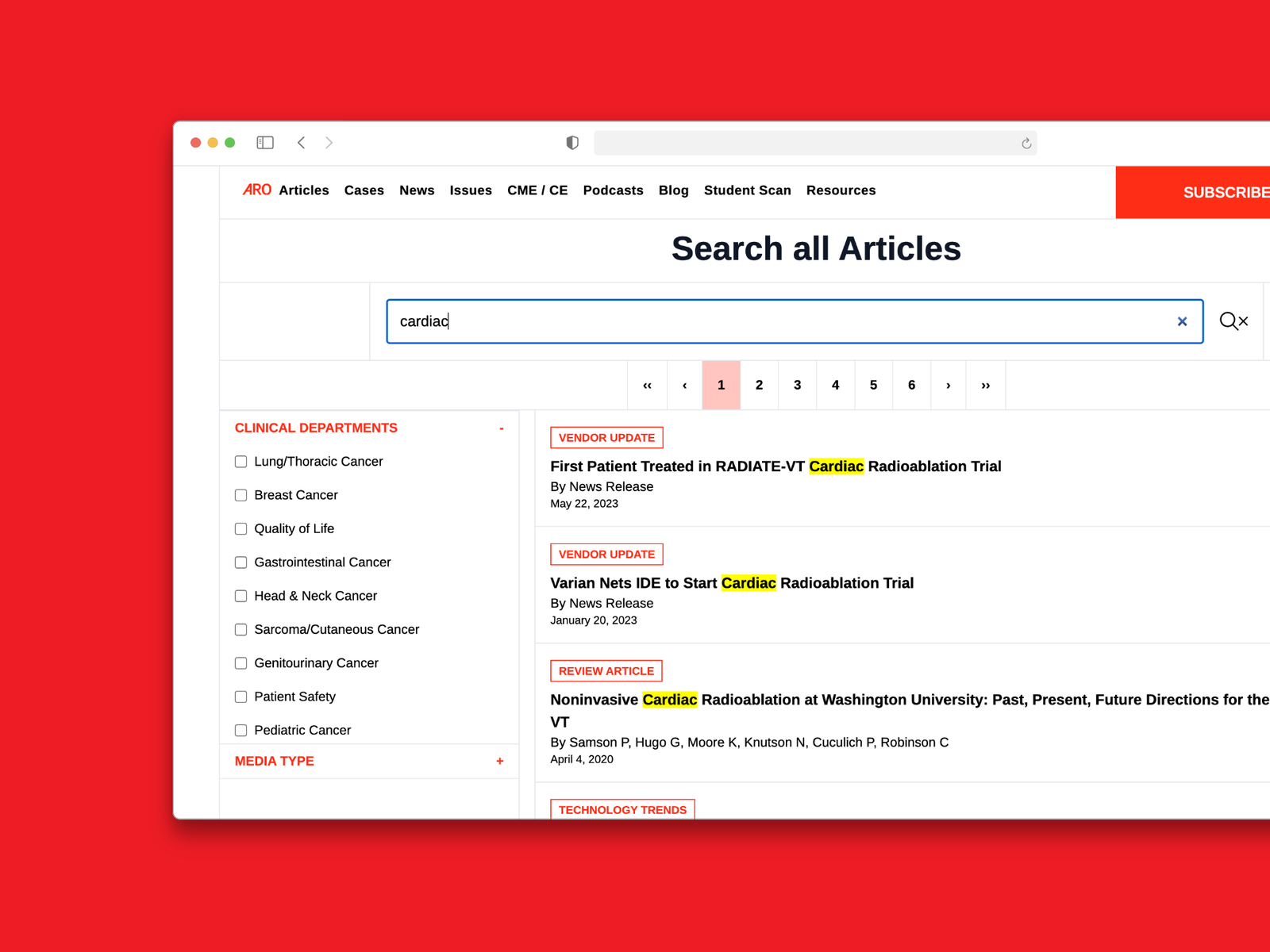
Anderson Publishing
Publishing Platform / JATS XML
2025
Anderson Publishing
Publishing Platform / JATS XML
Secure publishing platform with JATS XML processing, structured content APIs and automated editorial workflows.
Sundae
HR Software / POS Integration
2025
Sundae
HR Software / POS Integration
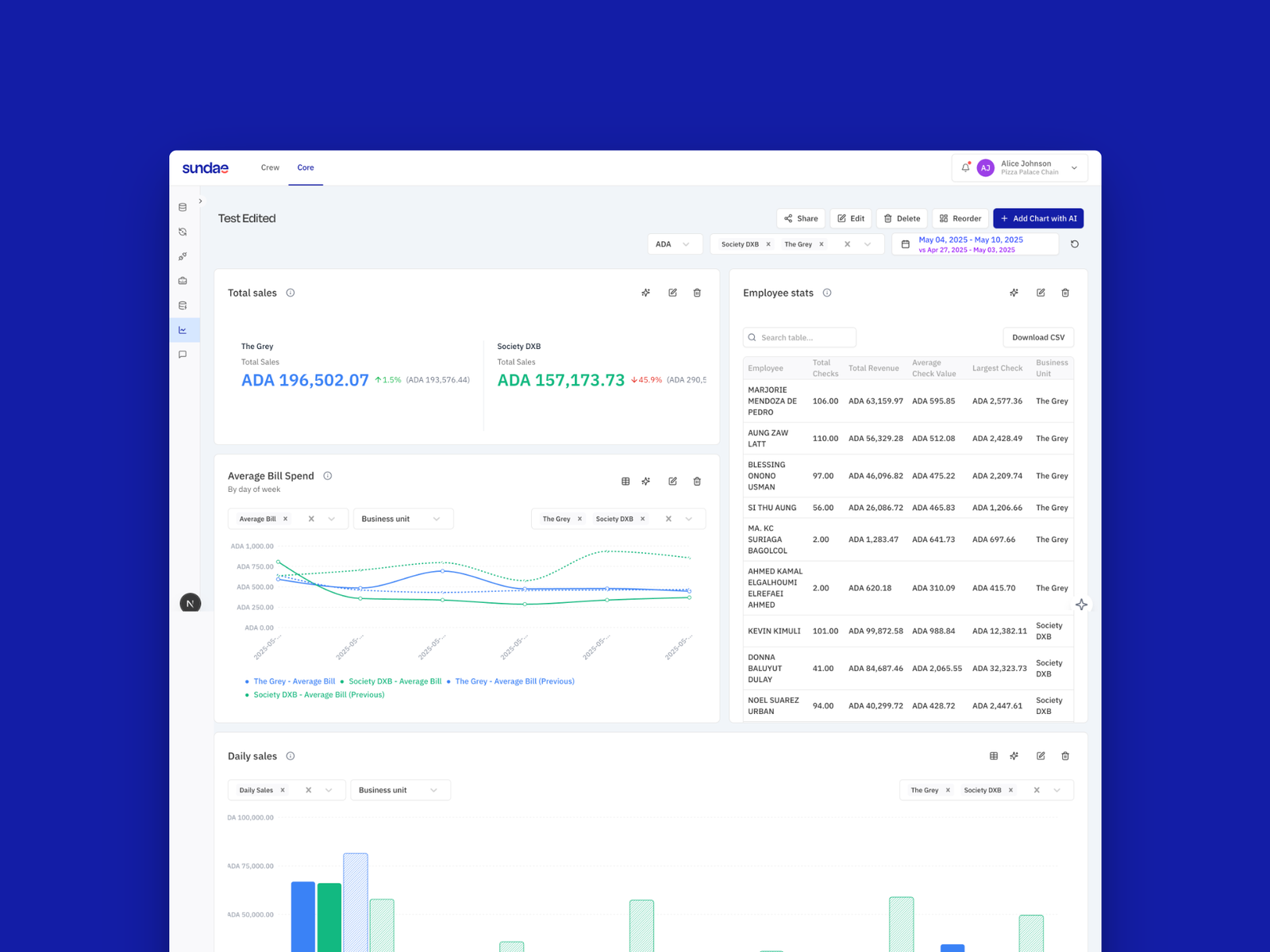
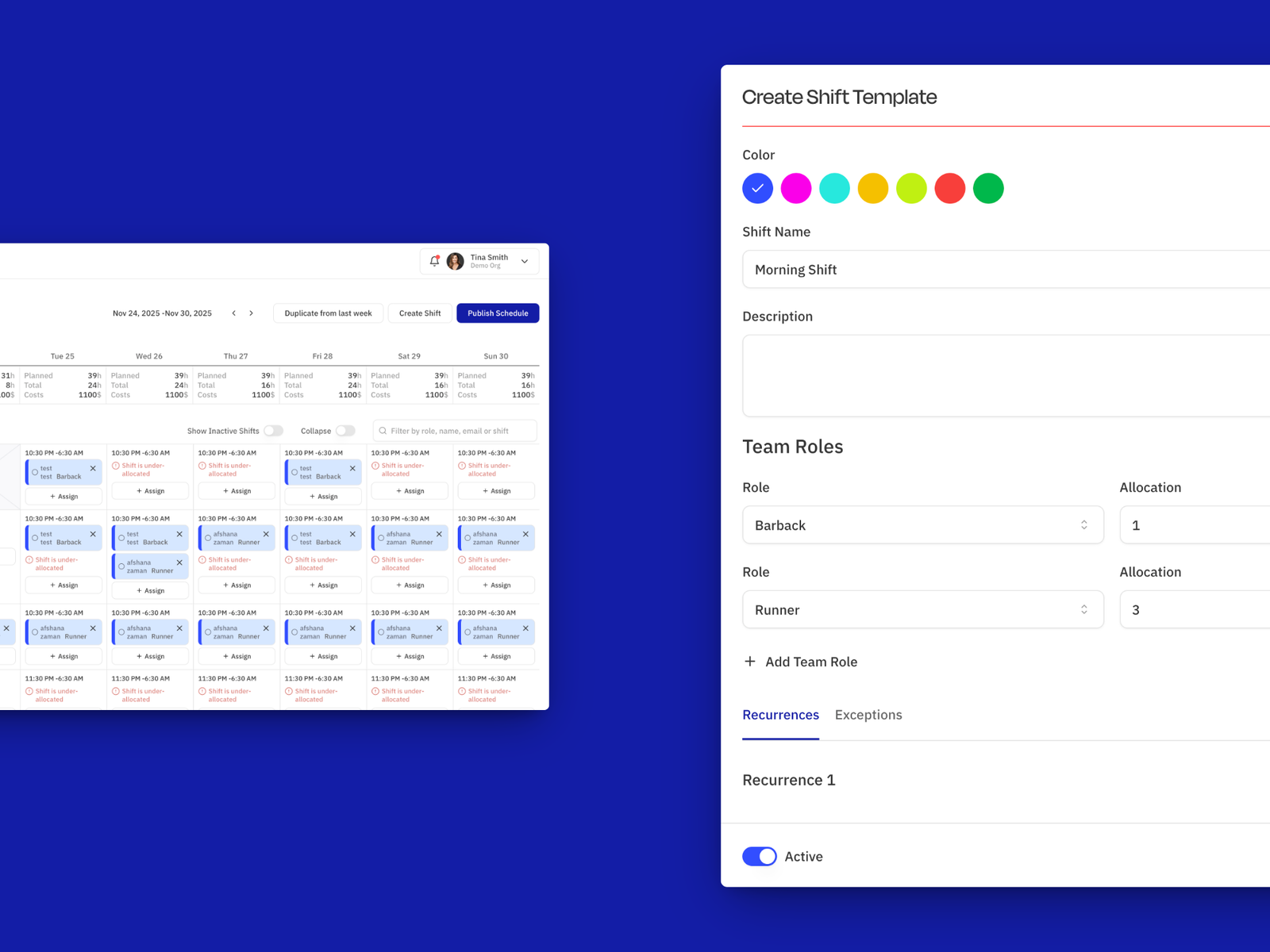
Backend for HR software integrating POS data, employee management and dynamic shift scheduling across multiple locations.
How we work
Our approach to backend engineering
Requirements + data modelling
We start with your business logic, map the data relationships and design the schema and API surface before writing application code. Every decision is documented and reviewed with your team.
API-first development
We design the API contract upfront: endpoints, request/response shapes, error codes and authentication flows, so frontend and mobile teams can develop in parallel from day one.
Iterative delivery with staging
We deploy to staging environments early and often. Every sprint delivers working, testable API endpoints. You review real functionality against real data.
Load testing + tuning
Before launch, we run load tests against realistic traffic patterns, identify bottlenecks and tune queries, caching and connection handling until the numbers are right.
Handover + documentation
We deliver full API documentation, architecture decision records, runbooks and deployment guides. Your team can maintain, extend and debug the system independently.
Technologies we work with
Frequently asked questions
Our primary stack is Node.js with Express or Fastify, PostgreSQL for relational data, Redis for caching and Docker for containerisation. We also work with MongoDB, RabbitMQ and AWS services. The exact stack is shaped by each project's requirements. We recommend what fits, not what's trendy.
Both. We recommend REST for straightforward CRUD services and public APIs, and GraphQL when clients need flexible querying, real-time subscriptions or when multiple frontends consume the same data differently. Many projects use both where appropriate.
We use version-controlled, reversible migrations managed through tools like Prisma Migrate or raw SQL migration files. Every migration is tested against production-like data before deployment and rollback procedures are documented for every release.
Yes. We regularly extend and refactor existing backends. We start with a codebase audit reviewing architecture, query performance, security posture and technical debt, then propose a phased improvement plan that doesn't require a full rewrite.
Security is built into every layer: input validation, parameterised queries, OAuth 2.0 or JWT authentication, role-based access control, rate limiting, CORS policies and secrets management. We follow OWASP guidelines as a baseline and conduct security reviews before every production deployment.
We use containerised deployments with Docker, CI/CD pipelines via GitHub Actions and infrastructure-as-code with Terraform where appropriate. Every deployment is automated, reproducible and includes rollback capabilities. Staging environments mirror production.
A typical API and database project takes 6–12 weeks depending on complexity. Simpler integrations can ship faster while complex distributed systems take longer. We work in iterative cycles so you have working endpoints to test within the first two weeks.
Yes. We offer retainer-based support covering performance monitoring, security patches, dependency updates, database maintenance and feature development. Most clients start with a build project and transition to ongoing support.
Ready to build a backend that scales?
Tell us about your project. We'll review your architecture, recommend the right approach and show you how we'd build it.
Services and Capabilities
Explore our other services